


Our treatments
Discover our most popular treatments
Featured Treatments
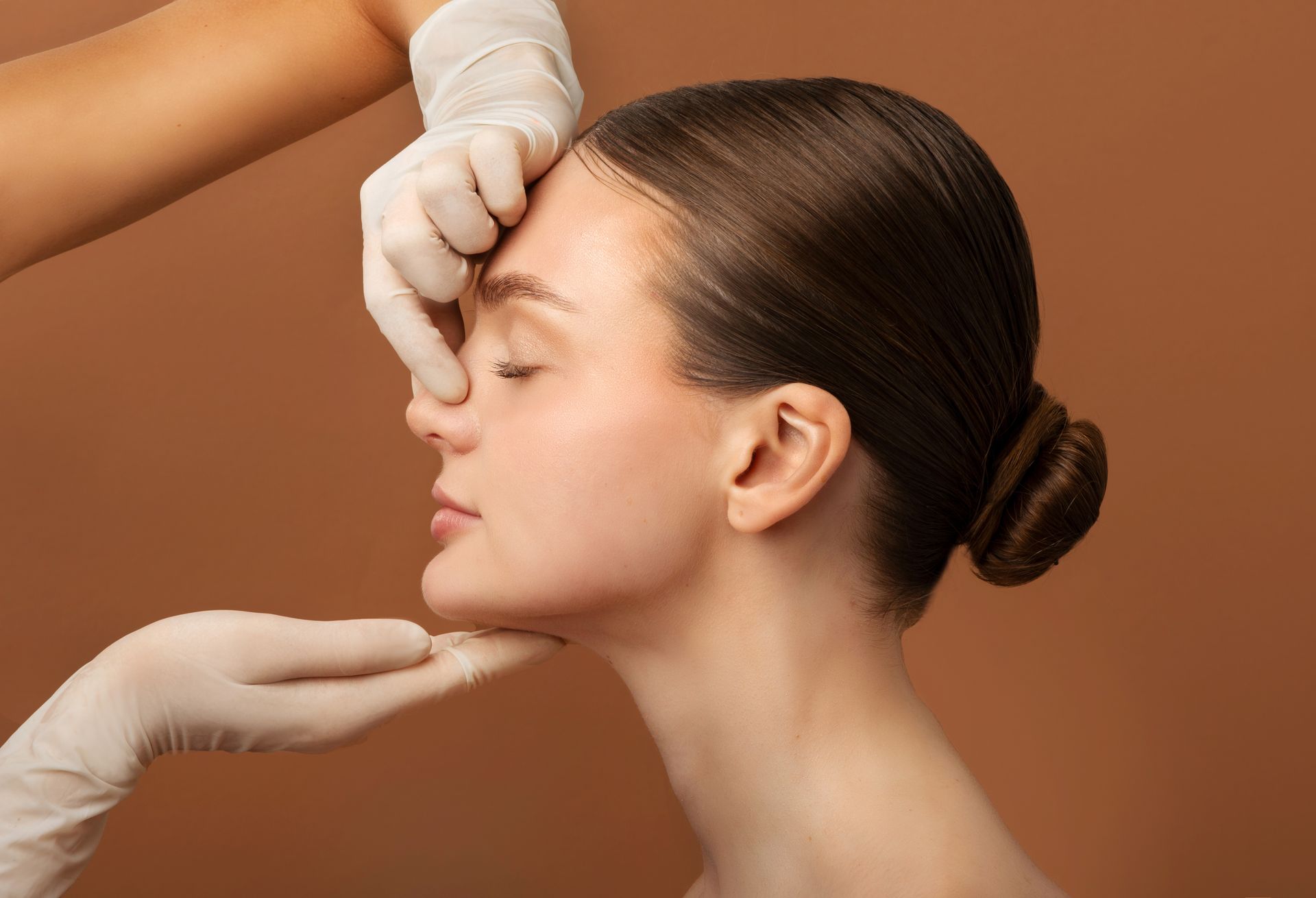
Rhinoplasty
Nose surgery can be performed for various reasons. It may be necessary due to breathing problems that make it difficult to breathe, injuries that have caused a loss of symmetry, or problems with the nasal septum.
It may also be required by patients who want to improve their physical appearance.
It is important to understand that rhinoplasty is one of the most complicated procedures for plastic surgeons, and only the best specialists can offer a natural-looking nose job.
This requires years of study and research, and that is why the Rhinoplasty Society was created (both in Europe and in the United States), of which Dr. Beut is a member.
The Rhinoplasty Society requires its members to complete a comprehensive training and practice program through which specialists gain the Society's approval. Currently, there are only 90 members worldwide.
Primary Rhinoplasty
Aesthetic and functional nasal surgery with natural results
Rhinoplasty is one of the most requested facial surgeries and, at the same time, one of the most complex. It allows for the improvement of both respiratory function and the aesthetic harmony of the face, always with an individualized approach.
What is rhinoplasty?
Rhinoplasty is a surgical procedure intended to modify the shape and/or function of the nose.
It can be done by:
· Functional reasons: breathing difficulty, deviated nasal septum, valvular collapse.
· Structural reasons: traumatic sequelae, asymmetries.
· Aesthetic reasons: dorsal hump, drooping or bulbous tip, disproportionate nose.
The goal is to achieve a natural, balanced and functional nose, in harmony with the rest of the face.
Types of rhinoplasty
Cosmetic rhinoplasty
It improves the shape of the nose while respecting the patient's facial identity.
Functional rhinoplasty
It corrects alterations that affect nasal breathing.
Secondary (revision) rhinoplasty
Indicated in previously operated patients who present with:
· post-surgical deformities.
This type of surgery is especially complex and requires a high level of expertise.
Why is it a complex surgery?
Rhinoplasty combines structural, aesthetic, and functional surgery in a very small anatomical space.
Small changes can make a big difference. That's why the outcome depends on specific surgical experience, an advanced understanding of nasal anatomy, and refined aesthetic judgment.
True success lies not in making the nose stand out, but in making it go unnoticed.
Specialization and experience
There are highly selective international scientific societies, such as The Rhinoplasty Society USA and EU, which bring together surgeons with advanced training in nasal surgery.
Dr. Beut is a member of both societies, whose access is limited to specialists who have completed a demanding process of training, evaluation, and clinical practice.
It is a very small community worldwide, which reflects the level of specialization required in this type of surgery.
Natural results: the real goal
· Respect the patient's identity.
· Improve without transforming.
Each surgery is planned in a personalized way, seeking a harmonious, functional and lasting result.
First consultation
The initial assessment analyzes nasal anatomy, respiratory function, facial proportions, and the patient's expectations. Based on this, an individualized surgical plan is designed.
Are you considering rhinoplasty?
Request a personalized assessment to study your case with medical precision and aesthetic criteria.
Secondary Rhinoplasty
High-complexity nasal revision surgery
Introduction
Secondary rhinoplasty—also known as revision rhinoplasty—is a procedure intended to correct or improve the results of a previous nasal surgery, whether for aesthetic, functional, or both reasons.
This is one of the most demanding procedures in facial plastic surgery, where experience, planning and precision make all the difference.
When is it indicated?
Aesthetic problems:
Artificial nose, not natural.
- Visible asymmetries
- Poorly defined or drooping nasal tip
- Excessive or insufficient resection
- Irregularities on the back
Functional problems:
- Persistent respiratory distress
- Nasal valve collapse
- Residual deviation of the septum
- Sensation of nasal obstruction
Structural problems:
- Loss of cartilaginous support
- Retractions or fibrosis
- Progressive deformities
Why is it more complex?
Unlike a primary rhinoplasty, the surgeon faces altered anatomy, fibrosis, cartilage deficiency, and changes in vascularization.
Each case requires an individualized approach with a minimal margin of error.
Surgical approach
Modern secondary rhinoplasty is based on structural reconstruction:
- Cartilage grafts (septal, auricular, costal)
- Nasal valve reconstruction
- Structural repositioning
- Refinement of the nasal tip
- Back correction
Results
Goals:
- Regain naturalness
- Improve breathing
- Correct deformities
- Achieve facial harmony
The results are progressive due to the previous surgery.
Recovery
Inflammation: 2–3 weeks
Visible result: 1–3 months
Final result: up to 12 months
It can be longer than in primary school.
Right time
It is recommended to wait 10–12 months after the initial surgery before a review.
Specialization
Highly specialized procedure. Dr. Beut is a member of The Rhinoplasty Society, reflecting a high level of training in advanced nasal surgery.
First consultation
Full evaluation:
- Nasal anatomy
- Respiratory function
- Facial analysis
- Review of previous surgery
- Customized plan
Conclusion
The key is not to operate more, but to operate better with a reconstructive approach.
Request a personalized assessment for an accurate diagnosis and natural results.
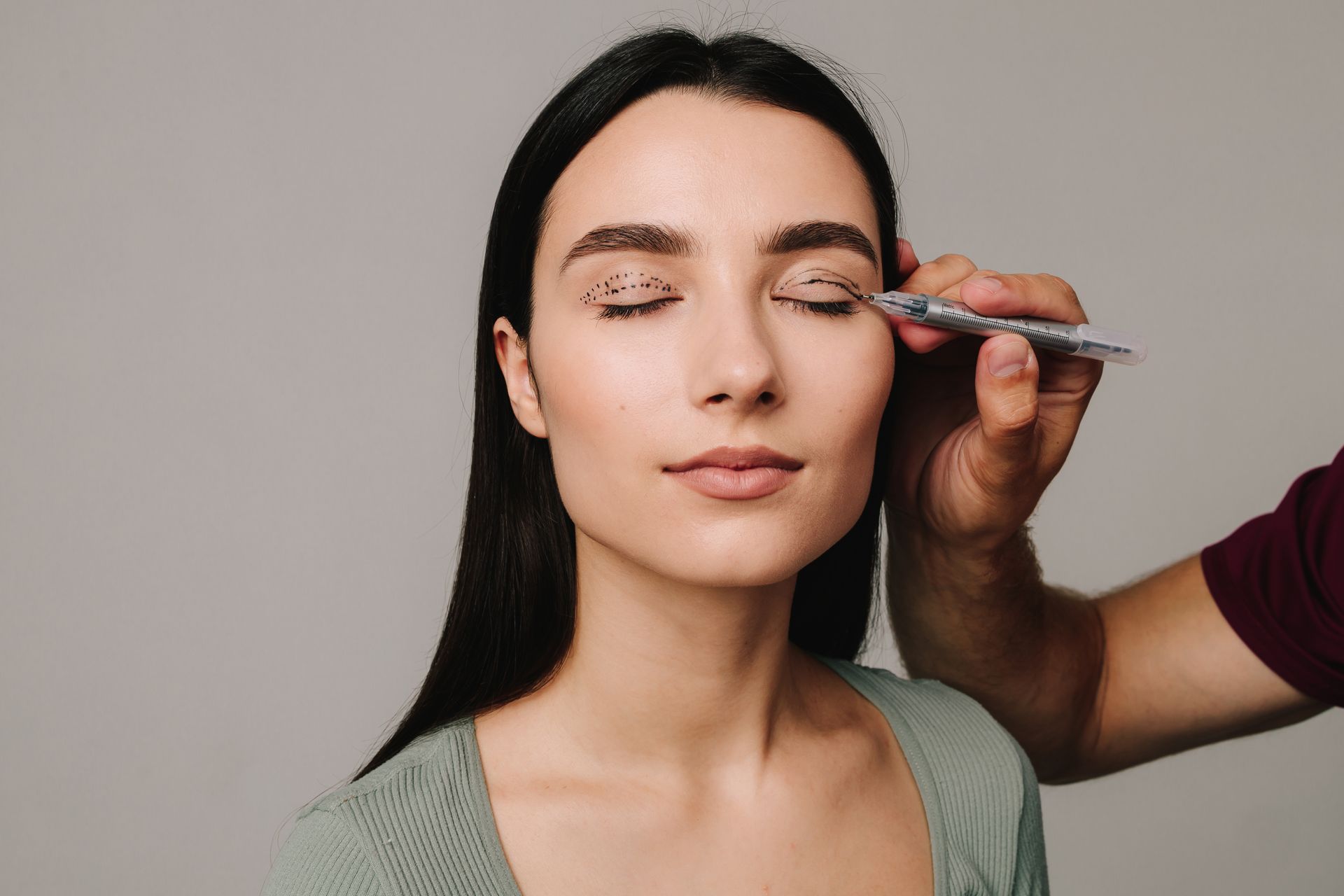
Oculoplastia
Blepharoplasty is a procedure that falls under the umbrella of oculoplastic surgery. This is a subspecialty of ophthalmology that treats problems of the eyelids, orbit, and tear ducts.
Eyelid malpositions such as drooping eyelids, tumors, reconstructions, or tearing problems are also treated.
If we consider blepharoplasty as an intervention, we will also be talking about a facial rejuvenation treatment.
The complex anatomy of the eyelids and their close relationship with the eye make collaboration with ophthalmologists essential. The Dr. Beut Institute collaborates with the team of Dr. Antonio Yarza and Excimerlaser Palma.
Dr. Beut, together with Dr. Jelks, organized the 1st Oculoplastic Symposium (with cadaver dissection) in Palma de Mallorca, which had a large international attendance.
Advanced Blepharoplasty
Superior transpalpebral approach for lower eyelid treatment
Blepharoplasty is part of oculoplastic surgery, a subspecialty dedicated to the treatment of the eyelids, orbit, and tear duct.
In addition to addressing pathologies such as:
- ptosis palpebral
- malpositions
- tumors
- alterations in tear production
Blepharoplasty is also one of the key procedures in facial rejuvenation, improving the expression and quality of the gaze.
AN ADVANCED APPROACH: UPPER EYELID ACCESS
Traditionally, the lower eyelid is treated using transcutaneous or transconjunctival approaches.
However, in selected cases, we use a more refined technique:
Access to the lower eyelid through the upper eyelid
(Upper eyelid access for lower lid blepharoplasty)
This technique allows access to the fatty compartments of the lower eyelid from the incision of the upper eyelid, avoiding direct incisions in the lower eyelid.
ADVANTAGES OF THIS TECHNIQUE
- Less stress on the lower eyelid
- Reduced risk of retraction or ectropion
- Preservation of eyelid anatomy and support
- Better control of fat repositioning
- A more natural and harmonious result
Especially useful in patients with:
- moderate fat deposits
- good inferior skin quality
- simultaneous indication for upper blepharoplasty
PHILOSOPHY: REPOSITION, DON'T DRY OUT
The modern approach to blepharoplasty is based on:
- preserve structures
- redistribute volumes
- avoid aggressive resections
The goal is not to "empty" the eyelid, but to restore continuity between the eyelid and cheek, maintaining a natural look.
SAFETY AND MULTIDISCIPLINARY WORK
The complex anatomy of the eyelid and its direct relationship with the eyeball make a multidisciplinary approach essential.
The Dr. Beut Institute works in collaboration with Dr. Antonio Yarza's team and Excimerlaser Palma, guaranteeing an environment of maximum ophthalmological safety.
EXPERIENCE AND TRAINING
Dr. Beut has been very active in advanced periocular surgery, organizing, together with Dr. Glenn Jelks, the 1st Oculoplastic Symposium in Palma de Mallorca, which included cadaver dissection and international participation. He also organized the 2nd Beut & Jelks Symposium in 2017.
RESULTS
- A more rested look
- Correction of bags without "operated" effect
- Natural eyelid-cheek transition
- Preservation of eyelid function
PERSONALIZED ASSESSMENT
Each case requires a detailed analysis of:
- eyelid anatomy
- ligamentous support
- singing position
- skin quality
- dynamics of the gaze
Not all patients are candidates for this technique, but in the indicated cases it offers particularly elegant and safe results.
Rhinoplasty
Nose surgery can be performed for various reasons. It may be necessary due to breathing problems that make it difficult to breathe, injuries that have caused a loss of symmetry, or problems with the nasal septum.
It may also be required by patients who want to improve their physical appearance.
It is important to understand that rhinoplasty is one of the most complicated procedures for plastic surgeons, and only the best specialists can offer a natural-looking nose job.
This requires years of study and research, and that is why the Rhinoplasty Society was created (both in Europe and in the United States), of which Dr. Beut is a member.
The Rhinoplasty Society requires its members to complete a comprehensive training and practice program through which specialists gain the Society's approval. Currently, there are only 90 members worldwide.
Oculoplastia
Blepharoplasty is a procedure that falls under the umbrella of oculoplastic surgery. This is a subspecialty of ophthalmology that treats problems of the eyelids, orbit, and tear ducts.
Eyelid malpositions such as drooping eyelids, tumors, reconstructions, or tearing problems are also treated.
If we consider blepharoplasty as an intervention, we will also be talking about a facial rejuvenation treatment.
The complex anatomy of the eyelids and their close relationship with the eye make collaboration with ophthalmologists essential. The Dr. Beut Institute collaborates with the team of Dr. Antonio Yarza and Excimerlaser Palma.
Dr. Beut, together with Dr. Jelks, organized the 1st Oculoplastic Symposium (with cadaver dissection) in Palma de Mallorca, which had a large international attendance.
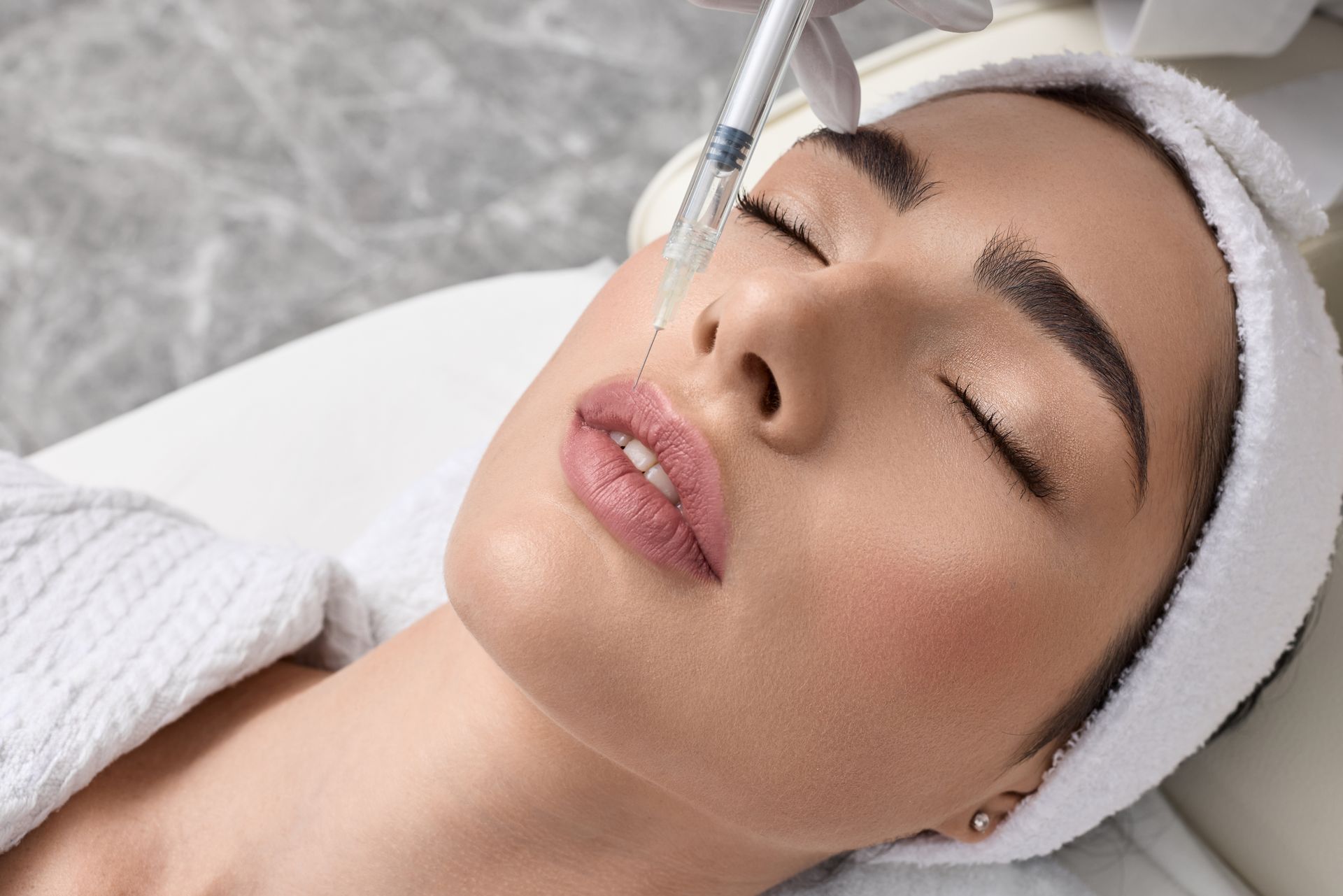
Lip augmentation
"Given his extensive experience in cleft lip reconstruction in children, Dr. Beut offers a revolutionary lip enhancement technique.
Replace the word augmentation with enhancement in three anatomically contrasting categories: Profile – Projection – Augmentation.
This is the "No Touch Technique" for lip enhancement. The main advantage of this technique is that it achieves a natural result without touching the lip mucosa, thus reducing the risk of infection and swelling.
It is currently the most popular technique in Europe, where Dr. Beut has been asked on numerous occasions to give training workshops.
However, Dr. Beut frequently travels to countries such as Greece, Saudi Arabia, Poland, Romania, Bulgaria, Russia, Turkey, Korea, and China. His "No Touch Technique for Lip Enhancement," "Pertinent Anatomy and Analysis for Midface Volumizing Procedures," and "Volumizing Viaducts of the Midface: Defining the Beut Techniques" are used in various national and international master's programs in medicine and cosmetic surgery.
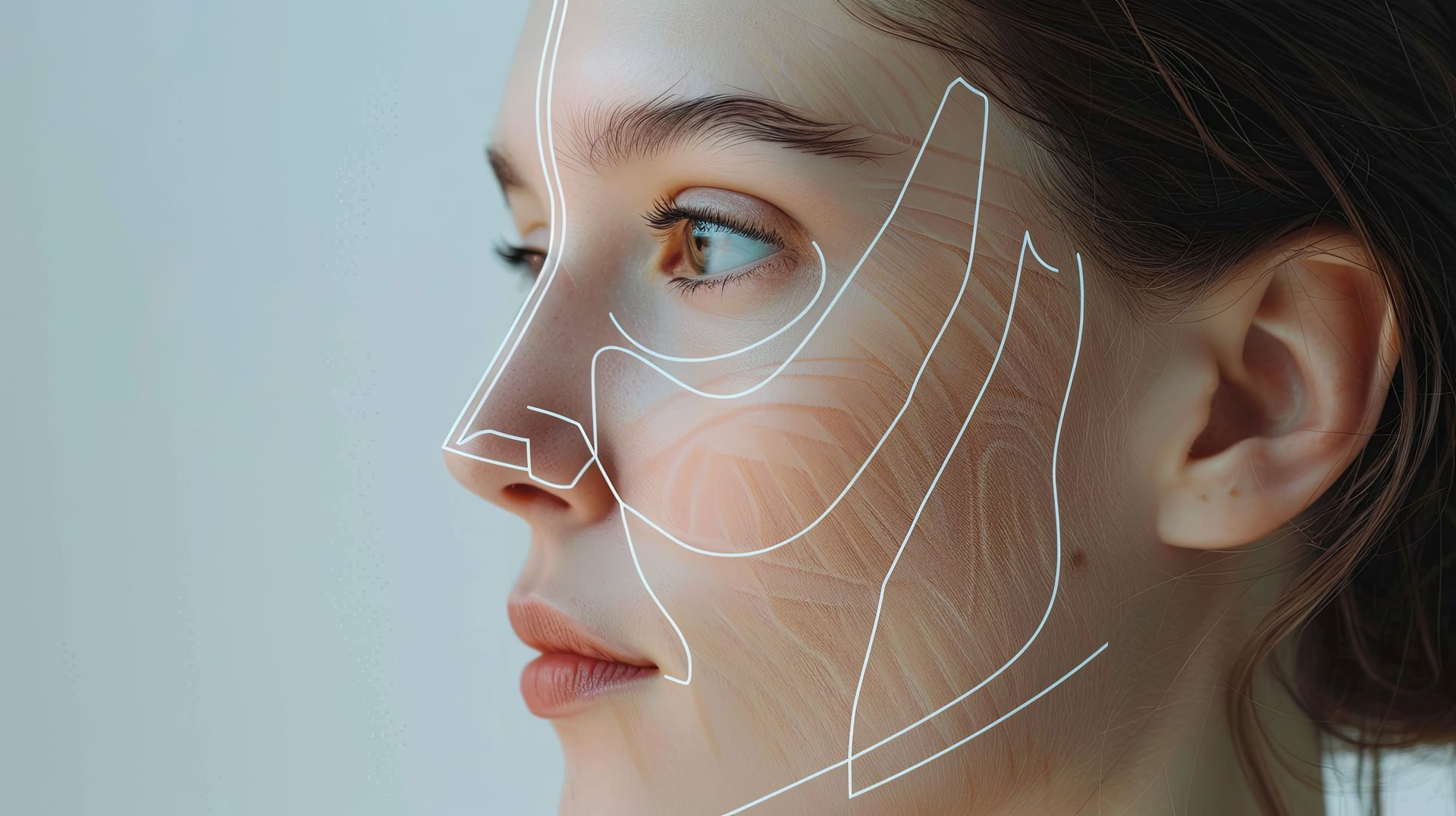
Facial rejuvenation
After being asked by the American FDA (Food & Drug Administration) to study Restylane Sub-Q in cheekbones, Dr. Beut has developed the technique called "Tent Technique".
Together with this technique and anatomical studies, it is possible to restore volume and achieve a natural appearance.
With all this, Dr. Beut has developed some algorithms that have been published 2015, Vol 35 (2) 121-34 ©2015 The American Society for Aesthetic Plastic Surgery, Inc.
All our treatments
Surgical
Facial Surgery
Breast Surgery
Body Surgery
3D studies
Facial Surgery / Oculoplasty
Facial surgery / Rhinoplasty
Breast Surgery
Body Surgery
Non-surgical
Medical aesthetic treatments
Facial rejuvenation
Lip augmentation
Treatment of the eye
Special Services
Located in the heart of Palma de Mallorca, the Dr. Beut Institute welcomes patients from all over the world seeking support in high-end reconstructive and aesthetic procedures.
The Institute is made up of a team that strives to maintain ongoing research and development to constantly stay at the forefront of the latest methods and best global technologies.
The Dr. Beut Institute is now renowned for its expertise in nose and eye surgeries. The Institute hosted the first oculoplastic congress in Spain, and its ophthalmologists specialize in all aspects of eye care, offering patients an unparalleled experience.
To offer patients quality treatment in a pleasant environment, the Dr. Beut Institute has created facilities that take into account even the smallest detail. Recently renovated, the Institute is equipped with innovative technology, always at the forefront of scientific advances.
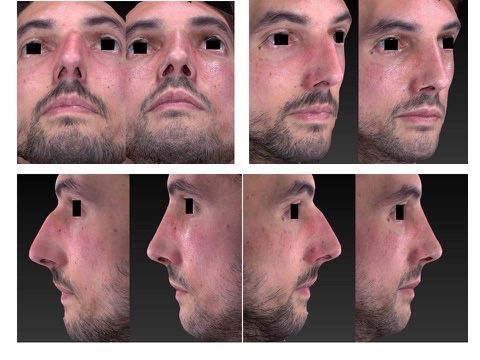
Thus, the Dr. Beut Institute makes available to its patients the VECTRA 3D and the VECTRA Sculptor, a unique system for obtaining three-dimensional photographs that allow the analysis of the morphology and needs of each patient and simulate the results of reconstructive or aesthetic surgeries, both for the face and for the body.
The experience of the Dr. Beut Institute
- Rejuvenation from within and preservation of the skin.
- Hyaluronic acid injections.
- Botulinum toxin injections.
- Rhinoplasty.
- Blepharoplasty.
- Lifting.
- Breast augmentation and breast reconstruction. Liposuction.
Testimonials from our doctors
The team at the Dr. Beut Institute accompanied me every step of the way. The oculoplastic surgery was precise, and the postoperative period was handled with great professionalism.

I opted for a non-surgical treatment and noticed visible changes without losing my natural expression. The advanced technology and expert team made all the difference.
Surgical interventions
Facial surgery / Rhinoplasty
Facial surgery / Oculoplasty
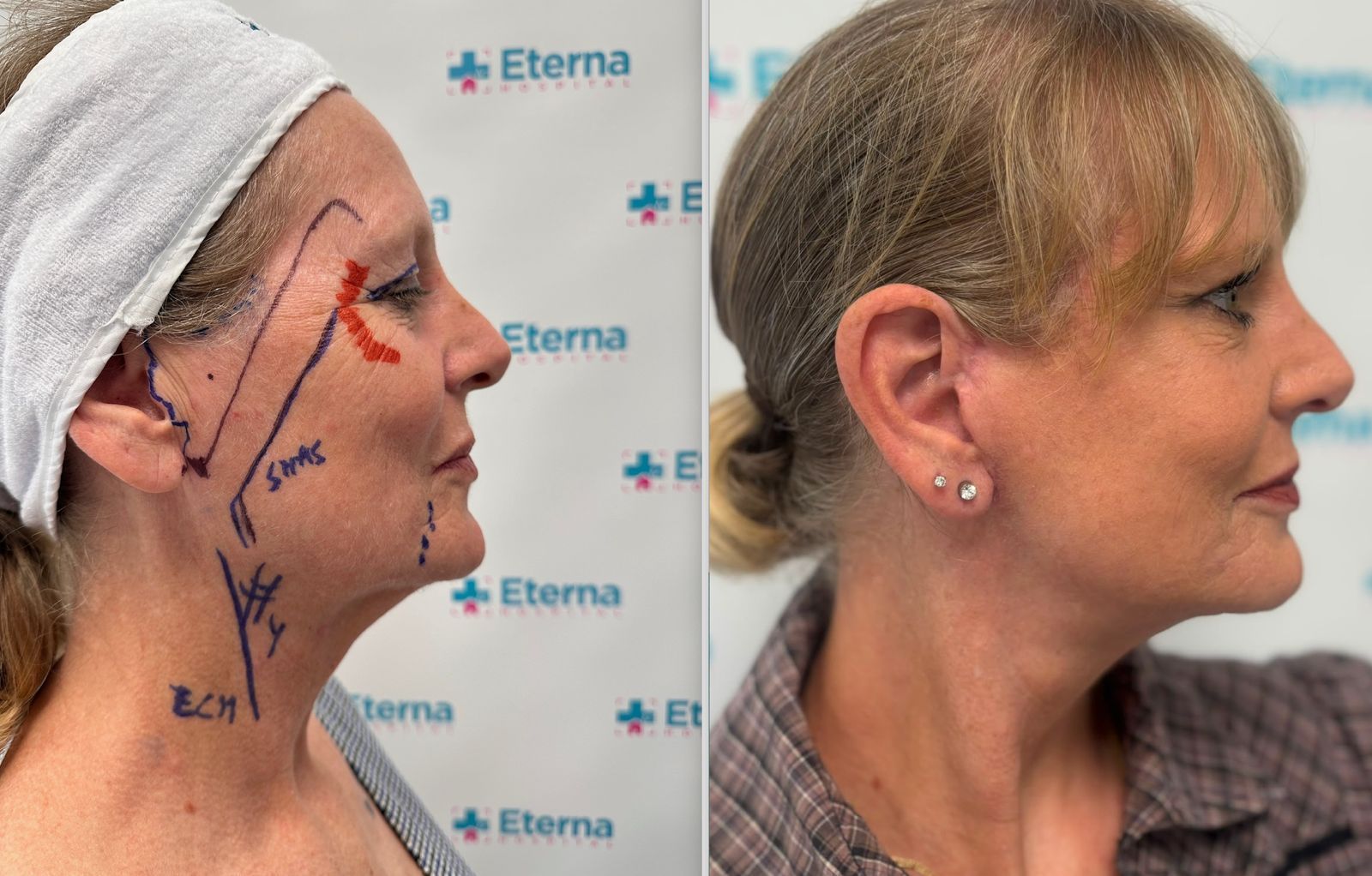
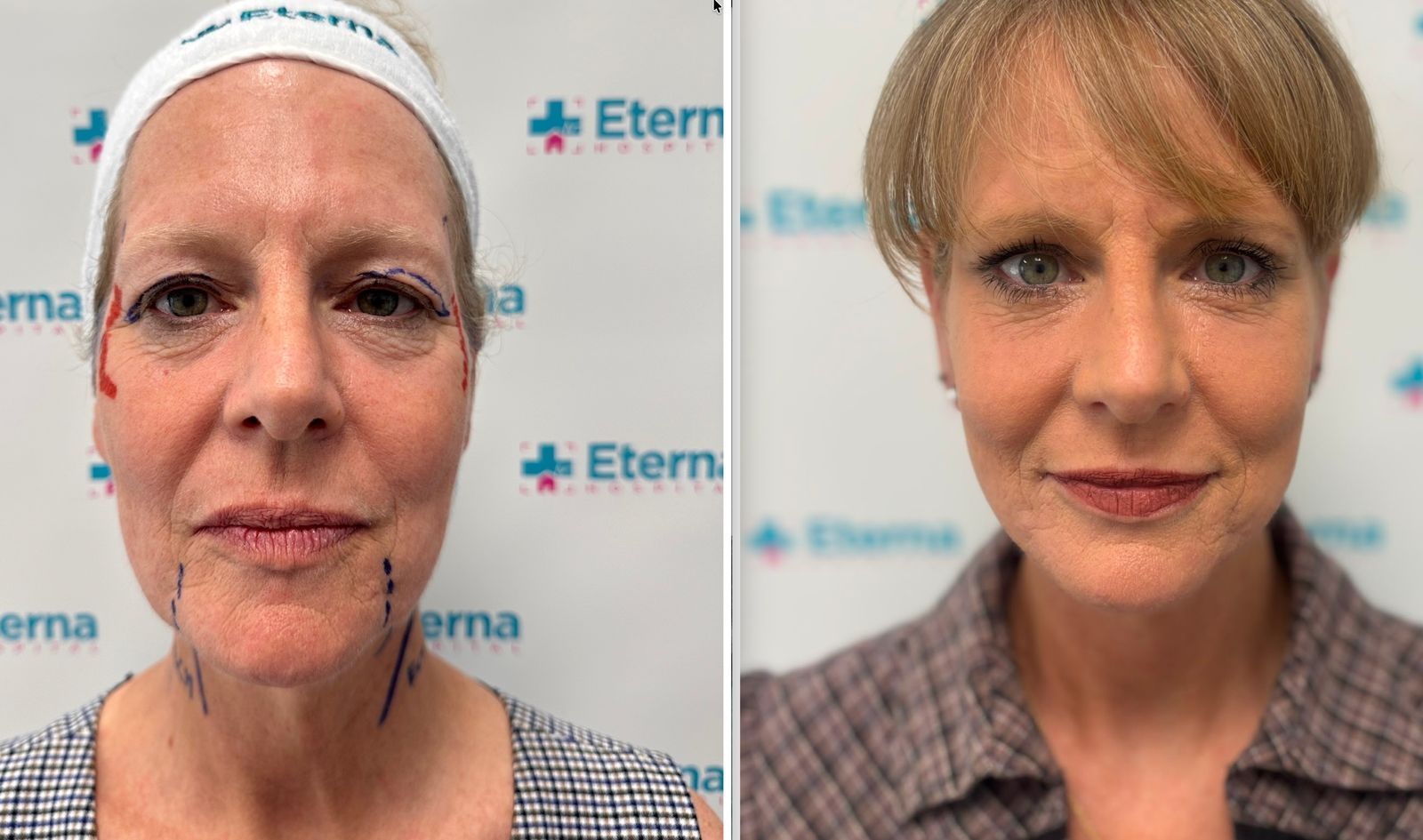
Deep Plane Face and Neck Lift + Temporal MORE Lift
This patient underwent a Deep Plane Face and Neck Lift combined with a Temporal MORE Lift, providing comprehensive rejuvenation of the midface, jawline, neck and lateral periorbital region. The procedure restores youthful anatomy by repositioning the deep facial tissues rather than simply tightening the skin.
Key takeaway: The combination of a Deep Plane Face and Neck Lift with the Temporal MORE Lift provides genuine three-dimensional rejuvenation by restoring facial support from the temples to the neck, creating natural, elegant and long-lasting results.
Non-surgical interventions
Frequently asked questions about our aesthetic procedures and post-operative care
We answer the most common questions so that our patients can better understand each treatment and the recovery process, guaranteeing safety and optimal results.
What is the difference between cosmetic and reconstructive surgery?
Cosmetic surgery seeks to improve physical appearance according to personal desires, while reconstructive surgery corrects damage or malformations to restore function and aesthetics.How is the evaluation performed prior to rhinoplasty or oculoplastic surgery?
We use advanced 3D technology to analyze the facial and nasal structure, allowing us to precisely plan the procedure tailored to each patient.What are the essential post-operative care measures?
We recommend relative rest, avoiding direct sun exposure, following prescribed medication, and attending regular check-ups to ensure a proper recovery.What non-surgical options do we offer for facial treatments?
We have advanced techniques such as dermal fillers, botulinum toxin and lasers that improve appearance without the need for surgery.
